
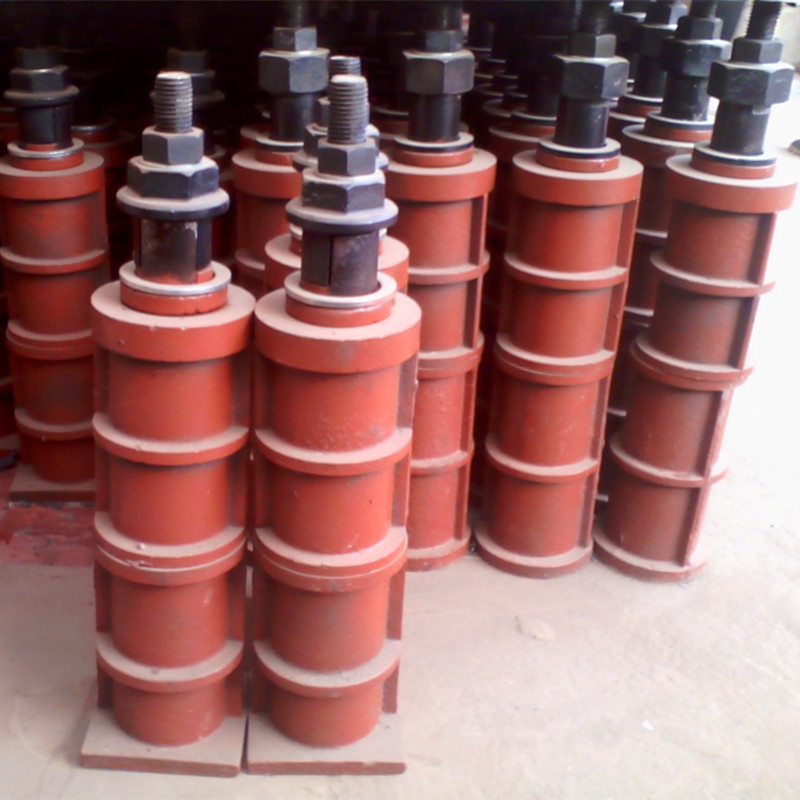
5mm thick glass
Understanding Dial Bore Gauges An Essential Tool for Precision Measurement in Engineering In the world of manufacturing and mechanical engineering, precision is critical. The ability to measure internal diameters accurately can make the difference between a perfectly functioning component and one that fails prematurely. One of the most effective tools employed for this task is the dial bore gauge, particularly those designed for measuring diameters within the range of 18 mm to 35 mm. This article explores the structure, operation, and applications of dial bore gauges, highlighting their importance in precision engineering. What is a Dial Bore Gauge? A dial bore gauge is a specialized measuring instrument used to determine the internal dimensions of holes and cylindrical parts. It features a dial indicator that provides direct feedback on measurements. The gauge typically consists of a body with a calibrated dial, a measuring rod, and interchangeable tips to accommodate different internal sizes. The versatility offered by the dial bore gauge makes it suitable for various applications, from machining to assembly inspections. The Structure of a Dial Bore Gauge The construction of a dial bore gauge is designed for easy handling and precise measurement . The main components include 1. Body This sturdy component houses the measurement mechanism and provides a gripping area for the user. 2. Dial Indicator The dial displays the measurement, often calibrated in millimeters or inches, allowing for quick readings. 3. Measuring Rod This rod extends into the bore and is adjustable to fit the specific dimensions being measured. 4. Tips Interchangeable tips can be swapped to measure different diameters, ensuring flexibility and accuracy. For measuring diameters between 18 mm and 35 mm, gauges in this range typically have tips specifically designed to reach the correct points of measurement within that diameter range. How Does It Work? dial bore gauge 18 35mm Using a dial bore gauge is simple but requires a careful approach to ensure accurate readings. Here are the basic steps involved in using the gauge 1. Preparation Ensure the bore is clean and free of debris, as contaminants can affect measurements. 2. Insert the Gauge Slide the measuring rod into the bore until the tips touch the sides. 3. Expand the Gauge Adjust the dial bore gauge by expanding or retracting the measuring rod until the tips make contact with the inner surface of the bore. 4. Read the Measurement Observe the dial indicator to read the measurement directly. The dial shows the smallest increment of measurement for precise reading. Following these steps allows the user to obtain an accurate measurement of the internal diameter of the bore. Applications of Dial Bore Gauges Dial bore gauges are invaluable in various fields, including - Manufacturing They are used in the production of precision components such as engine cylinders and hydraulic parts to ensure they meet the necessary specifications. - Quality Control In quality assurance, dial bore gauges are essential for checking that parts meet design tolerances and preventing defects. - Automotive and Aerospace Industries These sectors rely heavily on precision measurements to ensure safety and performance, making the dial bore gauge a critical tool. Conclusion In conclusion, the dial bore gauge is an indispensable instrument in the realm of mechanical engineering and manufacturing. Its ability to deliver precise measurements of internal diameters, particularly in the range of 18 mm to 35 mm, makes it essential for quality control and production processes. Understanding how to use this tool effectively allows engineers and machinists to uphold the highest standards of precision, ultimately leading to better performance and durability of the components they create. As technology continues to advance, the dial bore gauge will remain a cornerstone of precision measurement, bridging the gap between design and functionality.
about
5mm thick glass
Understanding the Importance of a Runout Tester in Precision Engineering In the realm of precision engineering, ensuring the accuracy and reliability of mechanical components is crucial. One essential tool that helps in achieving this is the runout tester. Runout, in engineering terms, refers to the degree of deviation from a perfect circle when a component is rotated around an axis. This deviation can result in significant errors in machining processes, leading to reduced efficiency, increased wear, and even equipment failure. Thus, utilizing a runout tester is vital for maintaining high production standards. What is a Runout Tester? A runout tester, sometimes referred to as a dial indicator or a runout gauge, is a specialized instrument used to measure the runout of rotating parts. The device typically consists of a mounted dial gauge that records the rotational deviation of the workpiece as it is rotated. Runout testers can be manual or digital, and they are designed to provide precise readings of the deviation at various points along the radius of the part being measured. Types of Runout Testers There are several types of runout testers available, each suited for different applications 1. Dial Indicators These are the traditional runout testers that use a mechanical dial to provide visual feedback on runout measurement . They are simple to use and highly effective for basic applications. 2. Digital Runout Testers These advanced devices feature electronic sensors and digital displays that offer more accurate readings and additional features such as data logging and connectivity to computers for further analysis. 3. Laser Runout Testers Utilizing laser technology, these testers provide non-contact measurement capabilities with superb accuracy. They are especially useful for high-speed applications and in situations where physical contact with the component is not feasible. Importance of Using a Runout Tester runout tester 1. Precision Measurement The primary advantage of using a runout tester is its ability to measure deviations with high precision. In sectors such as aerospace, automotive, and manufacturing, even the slightest deviation can lead to catastrophic failures. Regular runout testing can ensure that components meet stringent quality standards. 2. Preventive Maintenance By incorporating runout testers into regular maintenance routines, engineers can identify issues before they escalate. Early detection of runout problems can prolong the life of machinery, reduce downtime, and save costs associated with repairs or replacements. 3. Quality Assurance Manufacturers are increasingly required to adhere to strict quality assurance protocols. Runout testing is an essential part of these protocols, helping to ensure that all components produced meet the required specifications and tolerances. 4. Enhanced Performance Accurate measurements lead to better alignment of parts within machines. Properly aligned components experience less friction and wear, which translates directly into enhanced performance, increased efficiency, and lower operational costs. 5. Data Collection and Analysis Modern digital runout testers can store measurement data, allowing engineers to track trends over time. This information can be invaluable in identifying recurring problems and refining manufacturing processes. Applications of Runout Testers Runout testers are utilized in a variety of industries. In the automotive sector, they are used to ensure that brake rotors, flywheels, and shafts are perfectly balanced. In aerospace, runout testing ensures the integrity and performance of critical components like turbine blades and rotor assemblies. Manufacturing industries apply runout measurement in various processes from machining to quality control, ensuring that each part meets the high standards required for safe and effective operation. Conclusion In conclusion, runout testers are indispensable tools in precision engineering. By measuring and correcting runout, manufacturers can maintain higher quality standards, improve operational efficiency, and ensure the longevity of their equipment. As technology advances, the evolution of runout testing devices will continue to enhance the precision of measurements, making them even more integral to engineering practices in the future. As industries strive for perfection, the humble runout tester will remain at the forefront, ensuring that every part functions flawlessly within its intended application.
-

High quality industrial productsagement

High quality industrial products
View Details -

Meet the diverse needs of customers

Meet the diverse needs of customers
View Details -

Strict quality control

Strict quality control
View Details -

Top raw materials

Top raw materials
View Details -

Trusted supplier

Trusted supplier
View Details
Our application

news and information
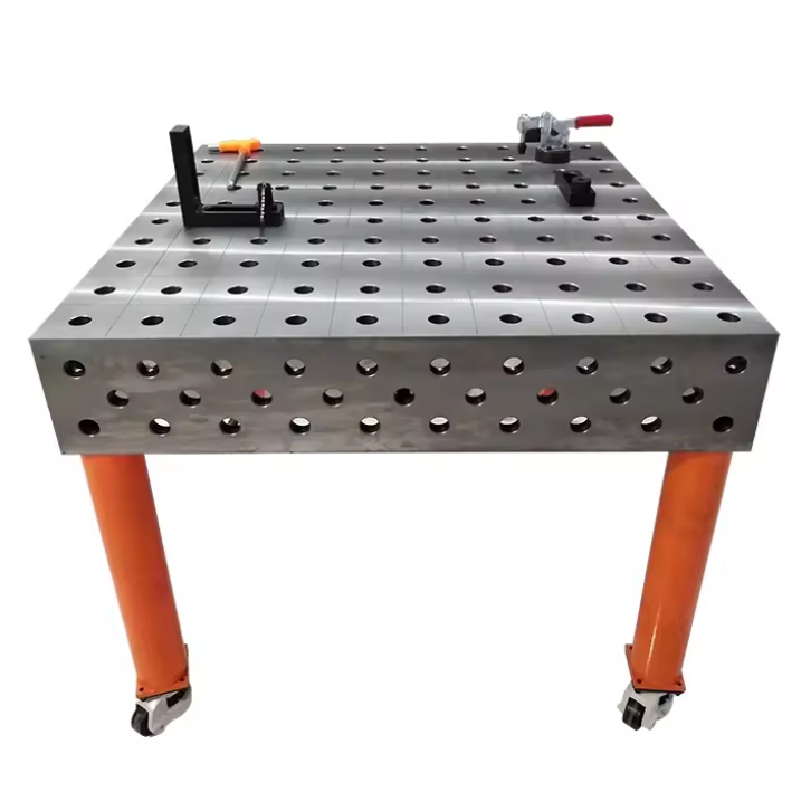
Welding Table Clamps for Enhanced Precision and Stability in Metalworking Projects
The Importance of Welding Table Clamps in Metal Fabrication Welding is a crucial process in the meta

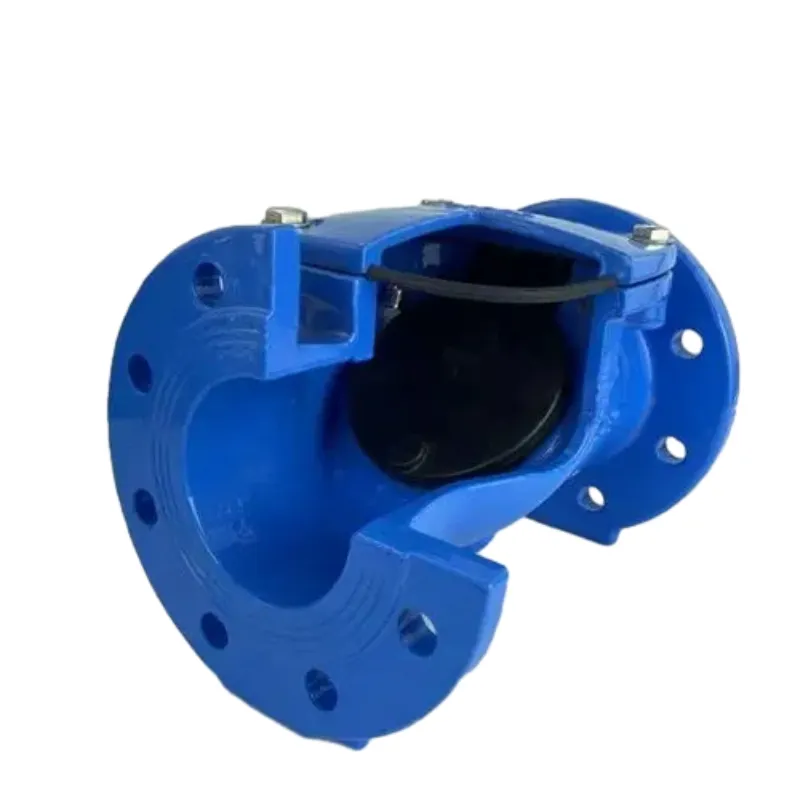
Valvole a farfalla efficienza e utilizzo nei sistemi industriali moderni
La Valvola a Farfalla Un Elemento Chiave nei Sistemi di Controllo dei Fluidi La valvola a farfalla è
Y-Type Strainer Featuring a Convenient Drain Valve for Efficient Filtration Solutions
Understanding the Y-Type Strainer with Drain Valve Essential for Efficient Fluid Management In vario
 English